How Cards Change Each Other
Cards are read in company. Four ways a neighbour alters what one is saying.
A card on its own has a range of meanings. Put another card beside it and the range narrows sharply. That narrowing is most of what interpretation is.
Reinforcement
Two cards saying the same thing turn the volume up. Two cards about waiting mean the waiting is not optional. Two about conflict mean the conflict is the subject rather than a detail.
When a theme repeats across a spread, that theme is the answer and the rest is commentary.
Contradiction
Two cards pulling opposite ways are the most informative pairs in the deck, and beginners try to average them out. Do not.
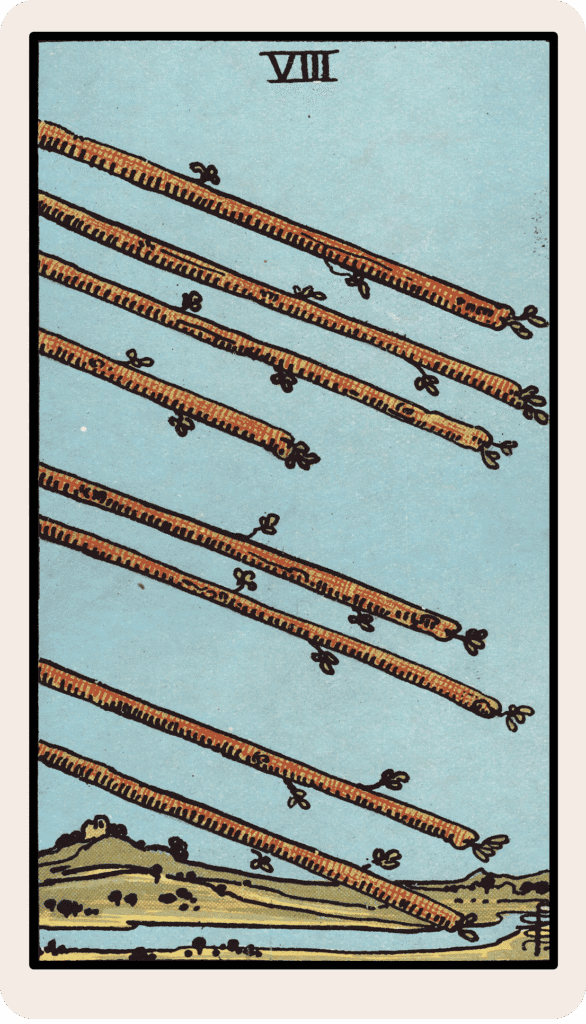
A card about rushing next to a card about stillness is describing a real tension in the situation — most likely the tension the person came about. Name it as a conflict instead of resolving it for them.
Modification
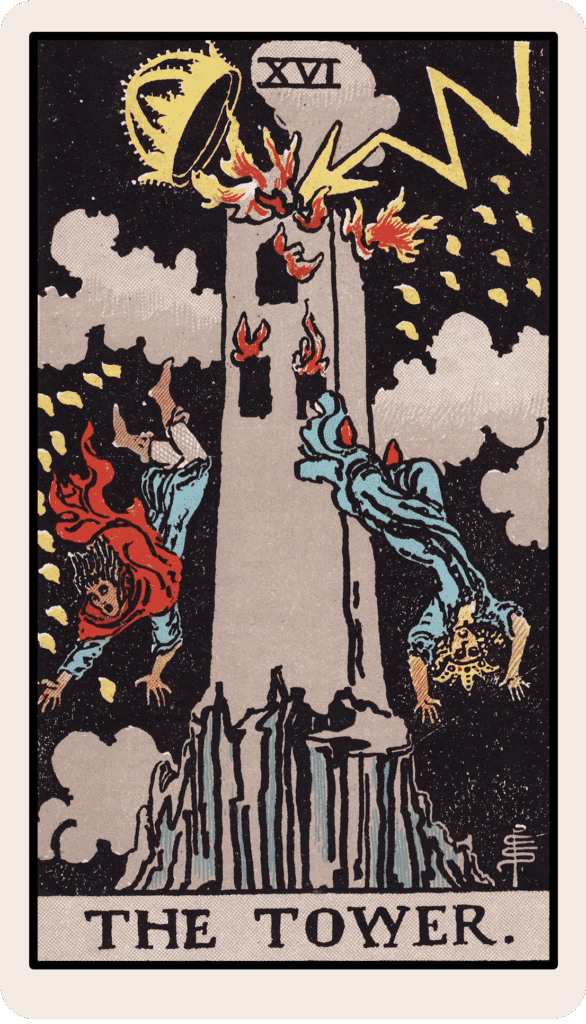
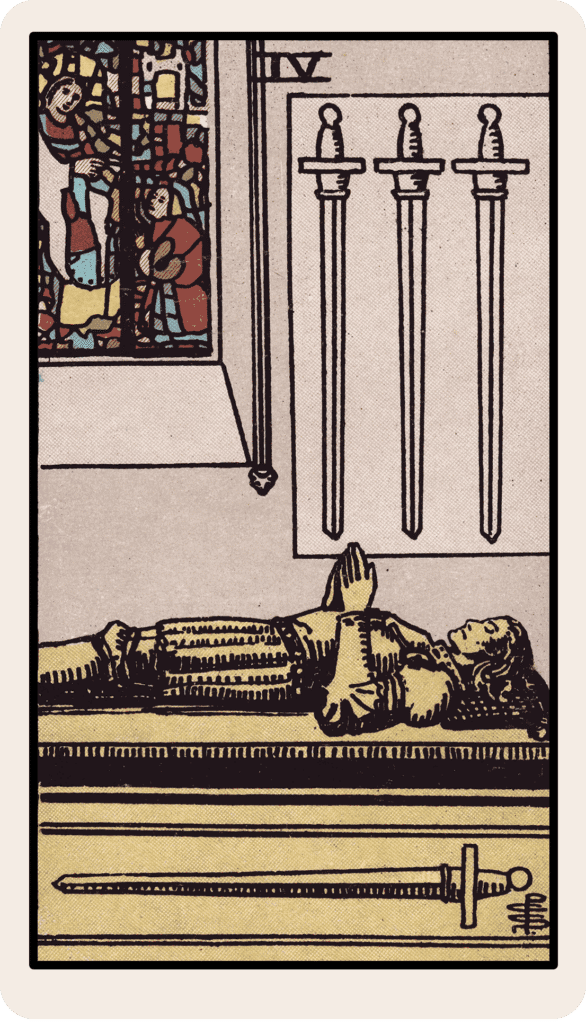
The most common relationship. One card sets a condition on the other. Sudden collapse followed by quiet renewal is not two events; it is one event with its aftermath stated. Read the pair as one sentence with a comma in it.
Cause and consequence
Where positions run in time, adjacent cards often form a chain: this happened, therefore this. Check the direction before you assume it. The second card is not automatically the result of the first, and in some layouts the influence runs backwards, with a later card explaining why the earlier one looks the way it does.
Which pairs to bother with
You cannot compare every card with every other one, and trying is why a ten-card spread eats an hour. In practice, look at three things. Cards that are physically adjacent. Cards in positions defined as opposites. Any two cards sharing a suit or a number.
Everything else waits for the whole-spread pass in lesson 16.
The figures are looking somewhere
In illustrated decks people face a direction. Two figures facing each other read differently from two turned away, and a figure looking off the edge of the layout often points at what is not being said. Not a rule. Worth a glance.